
FDA points new warning on GLP-1s over blinding eye situation
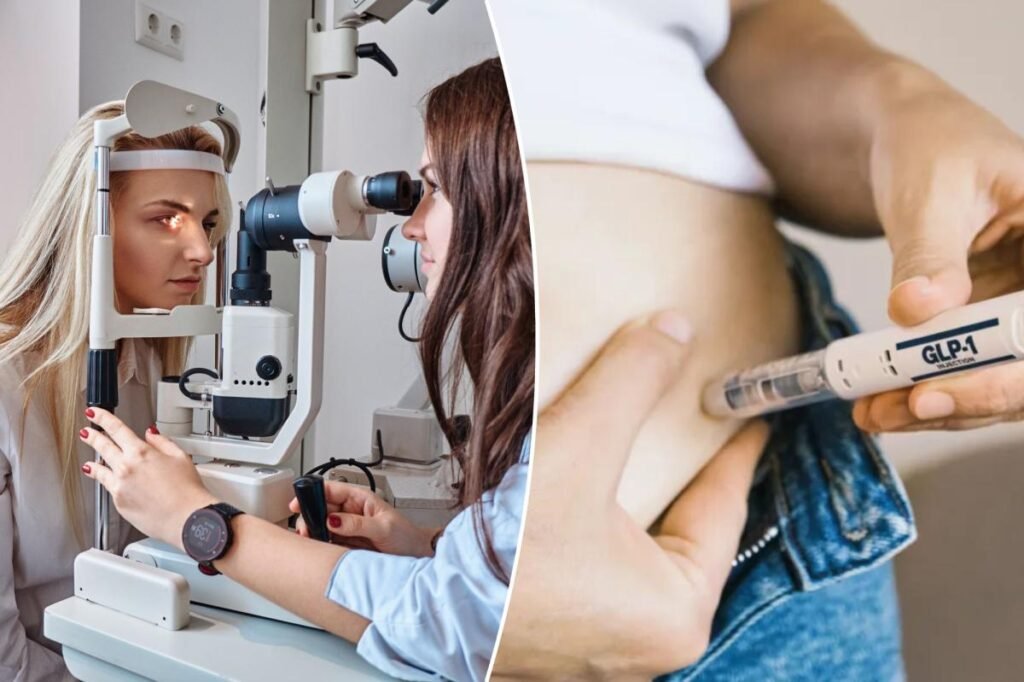

You’re going to wish to keep watch over this.
The Meals and Drug Administration warned Monday that GLP-1 medicine might elevate the danger of a uncommon however severe situation that may result in everlasting blindness.
The company is ordering drugmakers to replace security labels on their widespread weight-loss and diabetes therapies, alerting sufferers and well being care suppliers to the potential hazard.
The situation, generally known as nonarteritic anterior ischemic optic neuropathy (NAION), is triggered by a sudden drop in blood move to the entrance of the optic nerve.
Warning indicators might embody painless imaginative and prescient loss in a single eye — which sufferers might first discover upon waking — in addition to blurred imaginative and prescient, lacking patches of sight, distorted colours and hazy spots affecting central imaginative and prescient.
“Sufferers ought to contact their well being care skilled immediately if they’ve any of those signs,” the FDA wrote in a drug security communication issued Nov. 9.
There’s presently no confirmed therapy to treatment or reverse imaginative and prescient loss brought on by NAION, which might result in blindness.
The warning follows a 2024 research that discovered diabetes sufferers taking semaglutide — the energetic ingredient in GLP-1 medicine Ozempic and Wegovy — have been 4 occasions extra prone to develop NAION than those that weren’t prescribed the remedy
“Though FDA recognized a number of limitations of this research, the company decided that additional evaluation of the potential elevated danger for NAION was warranted,” the company wrote.
The FDA stated it performed a “complete analysis” of accessible scientific trial information, animal information and post-marketing data, together with observational research and case stories.
The company discovered that NAION circumstances had been reported throughout all presently marketed GLP-1 merchandise.
Nevertheless, it stated these stories have been tough to interpret as a result of NAION danger components typically overlap with circumstances widespread amongst sufferers taking the medicines.
The FDA additionally stated it was unable to determine a mechanism explaining how GLP-1 medicine may improve the danger of the attention situation.
Nonetheless, primarily based on the accessible proof, the company “concluded that there’s a potential elevated danger of uncommon NAION occasions” amongst GLP-1 customers.
The security warning is being handed down as GLP-1s have turn into among the most sought-after medicine within the nation.
The therapies work by mimicking hormones produced within the intestine in response to consuming, serving to regulate urge for food, digestion and blood sugar.
The category consists of blockbuster therapies corresponding to Ozempic, Wegovy, Zepbound and Mounjaro, that are extensively prescribed to deal with Sort 2 diabetes and assist sufferers lose extra weight.
Some GLP-1 medicine have additionally been permitted for added makes use of, together with decreasing the danger of main cardiovascular occasions and worsening kidney illness. Others have been cleared to deal with obstructive sleep apnea and liver illness.
Researchers are additionally investigating the medicines for a variety of different potential makes use of, together with treating substance use issues and stopping neurodegenerative illness.
However their meteoric rise hasn’t been with out uncomfortable side effects.
GLP-1 customers regularly report gastrointestinal issues, together with nausea, vomiting, diarrhea and constipation. Critical gallbladder issues, pancreatitis and kidney damage have additionally been reported, although they’re much less widespread.
The drug class additionally carries a boxed warning concerning the potential danger of thyroid tumors.
Now, the FDA is urging well being care suppliers to inform sufferers taking GLP-1s to right away report any new, painless imaginative and prescient loss, visible area deficits or different visible disturbances in a single eye.
“If NAION is suspected, promptly refer the affected person to an ophthalmologist for analysis,” the company wrote. “Think about discontinuing the GLP-1 RA in sufferers who develop NAION, except the advantages of therapy clearly outweigh the danger.”