What Is Wabi Sabi? How It Might Change the Approach You Stay
We could obtain a portion of gross sales if you buy a product by way of a hyperlink on this article.
We dwell surrounded by polished feeds and showroom rooms, which makes the thought of loving imperfection really feel virtually radical. What number of occasions have you ever deleted a blurry picture as a result of it wasn’t excellent? True magnificence has at all times lived within the cracks, the tough edges, the uneven glaze, and the worn spot on a favourite chair. That’s the center of wabi-sabi, and it’s why the philosophy has captured so many people.
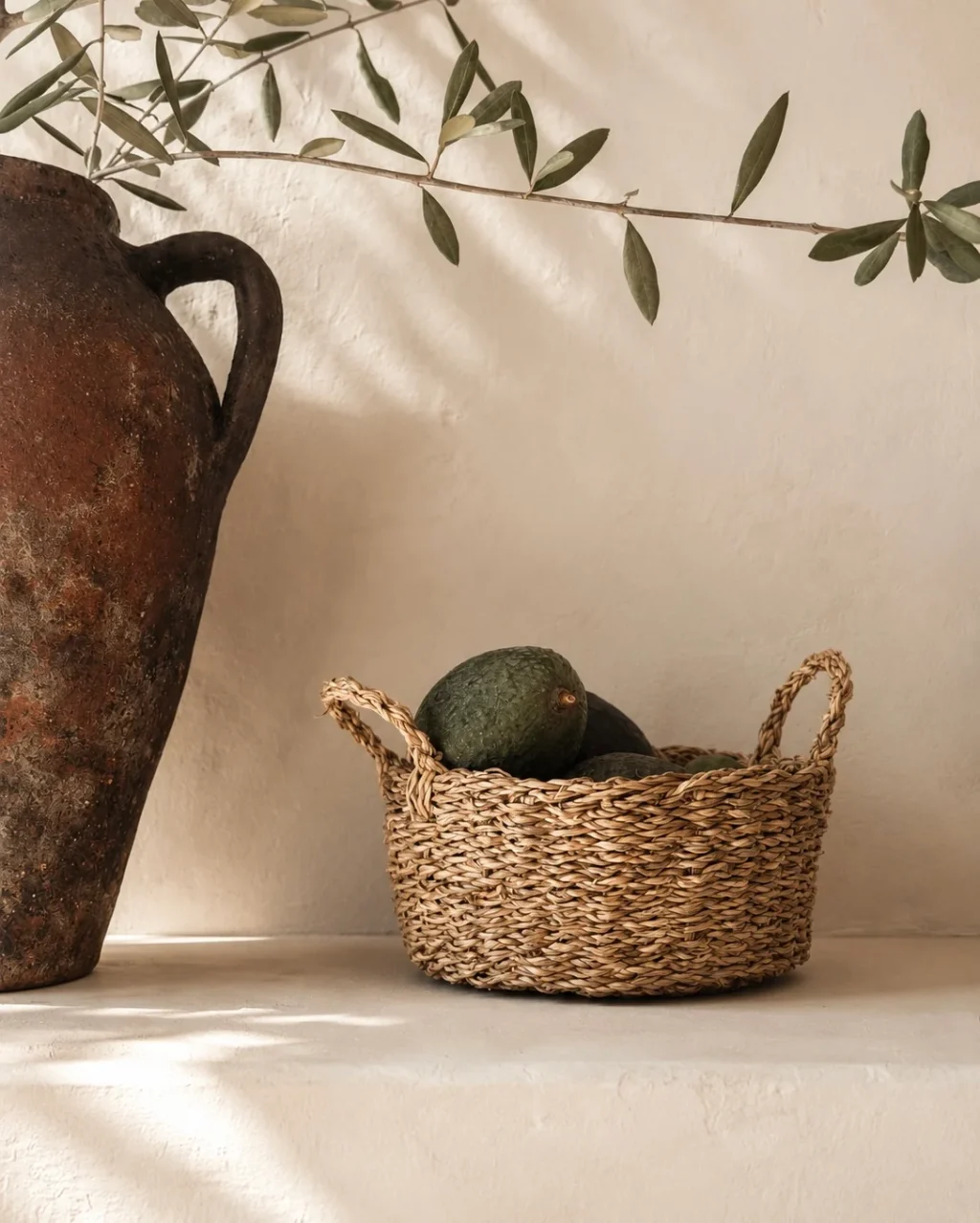
However it has additionally been flattened. Someplace alongside the way in which, wabi-sabi turned shorthand for a beige room with a chunky bowl on the espresso desk, and it’s simple to see why: that look pictures effectively. The true factor is older, deeper, and way more helpful.
At its finest, wabi-sabi is so much much less styled. It’s the handmade mug you attain for each morning, the desk you stopped making an attempt to maintain pristine, the room that will get slightly higher with use. Right here’s what it really means, and how one can dwell with it.
To grasp it, we turned to Julie Pointer Adams, the photographer, artistic director, and writer of Wabi-Sabi Welcome: Studying to Embrace the Imperfect and Entertain With Thoughtfulness and Ease. As she places it, wabi-sabi means “residing in a approach that pays consideration and appreciates the great thing about the mundane, minute particulars of on a regular basis life, issues that always go unseen, unnoticed or unvalued.”

What’s wabi-sabi?
Wabi-sabi is troublesome to outline in a number of phrases, even for the Japanese. Artist and author Leonard Koren, whose 1994 ebook launched the thought to many within the West, describes it as “a great thing about issues imperfect, impermanent, and incomplete.” Adams calls it a approach of seeing “that frees us to search out magnificence in what’s impermanent, imperfect, and incomplete.”
Each definitions describe a perspective, not a glance. That’s the very first thing to know. Wabi-sabi is a approach of noticing, and a room can solely present the results of that spotlight.
What do “wabi” and “sabi” imply?
The 2 phrases was once separate, and every had its personal historical past.
Wabi comes from a phrase for loneliness and plainness, the type of solitude you’d discover in a distant hut. Over time, tea masters started to see a deeper magnificence in that incompleteness, and wabi got here to imply a quiet, humble sufficiency: discovering sufficient within the rustic and the easy. In Adams’ phrases, it refers to “residing merely and in tune with nature, to paring all the way down to the necessities so we will recognize every second and object in its fullness.”
Sabi is the older of the 2. It as soon as pointed to desolation and chill, and it got here to imply the great thing about issues which can be aged, weathered, and worn. Adams describes it as referring to “transience and the passage of time.”
Collectively, they describe what Adams calls “a sort of magnificence and a lifestyle that embraces imperfection and easy residing, clinging to what’s humble, mysterious, and unassuming.”
The place does wabi-sabi come from?
Wabi-sabi grew out of Zen Buddhism and, above all, the Japanese tea ceremony. Within the fifteenth century, the Zen priest Murata Juk? started changing the gold, jade, and porcelain of the Chinese language-style tea service with easy, tough picket and clay vessels. A few century later, the tea grasp Sen no Riky? (1522 to 1591) refined the apply, favoring humble teaware and a naked, rustic tea room. Britannica credit Riky? and his contemporaries with establishing the wabi and sabi aesthetics within the mid-Sixteenth century.
Adams traces the idea additional again, to across the 14th century, when inventive and Buddhist concepts from Chinese language traditions merged into one thing distinctly Japanese. “The thought was very tied to the tea ceremony,” she says, “and continues to be deeply rooted in that time-honored custom which holds up simplicity, humility, and rustic magnificence as important beliefs.” It’s a pointy departure, she provides, “from our deeply-ingrained Western excellent of what’s new, shiny, fancy, costly, fashionable, and flashy.”
Others with deep ties to Japan describe it in related phrases: as one thing lived, not styled. Leonard Koren, the American author who lived on and off in Japan for about 20 years earlier than writing the 1994 ebook that helped introduce wabi-sabi to the West, notes that wabi-sabi issues are sometimes first seen as ugly. A part of the magic, he says, is the “transmutation of the not-beautiful into the gorgeous.” Akiko Hirai, a potter born in Shizuoka who works in London, makes pots coated in marks and traces of previous occasions. She describes them as wabi-sabi, “the great thing about imperfection and impermanence.”
What wabi-sabi is just not
As a result of the thought is really easy to flatten, it helps to say what it isn’t.
- It’s not muddle. Adams is obvious that wabi-sabi means “paring all the way down to solely what you want.” A room stuffed with stuff isn’t wabi-sabi, nevertheless handmade the stuff is.
- It’s not neglect. Patina is what occurs when time and care work on an object collectively. A chipped, dusty, unloved room is simply untended.
- It’s not manufactured imperfection. Pre-distressed furnishings, faux-aged finishes, and deliberately crooked the whole lot miss the purpose. The aesthetic is about time and use leaving marks on an object, which is tough to pretend.
- It’s not a beige aesthetic. Earthy tones and pure supplies are frequent, however coloration isn’t the purpose. Trustworthy supplies and a focus are. Koren notes that the closest English phrase is “rustic,” however that captures solely a sliver of it.
- It’s not a pattern. “It’s type of ironic that wabi sabi has just lately grow to be a little bit of a catchphrase,” Adams says, “as a result of by nature, it goes towards the grain of what’s common or stylish.”
How you can carry wabi-sabi dwelling
Adams says step one is subtraction: “take inventory of what you’ve gotten and decide what it’s possible you’ll not want.” Attaining a way of wabi-sabi, she says, “isn’t about going out and shopping for an entire bunch of latest stuff, however slightly about simplifying, re-evaluating, and considering rigorously about each new buy.” From there, seven concepts assist.
1. Select pure supplies. Wooden, clay, stone, linen, and wool all age gracefully. If you do purchase one thing, Adams says to “choose timeless objects comprised of pure supplies and fibers that can age effectively (versus low cost and/or stylish) and could be repaired or re-used for years to return.”
Do this: Swap one plastic or laminate floor (a tray, a bowl, a reducing board) for wooden or ceramic.
2. Let issues patina. Brass darkens, leather-based softens, unlacquered wooden marks. Cease sprucing each hint away and deal with the change as a part of the article’s story.
Do this: Depart one piece of brass or copper unpolished for a season and see what occurs.
3. Restore earlier than you exchange. Kintsugi, the Japanese artwork of mending ceramics with lacquer dusted with powdered gold, is probably the most well-known instance, although the thought works at any stage: sew the button again on, re-glue the chair, hold the chipped bowl. Adams sees it as a metaphor: “if we steadily work on getting the damaged components of lives healed, slightly than hiding, ignoring, or glossing over them, they will really grow to be a visual and beautiful a part of our power.”
Do this: Restore one factor this month that you simply’d usually toss.
4. Welcome asymmetry and the handmade. Hand-thrown pottery with a pooled glaze, a bowl that isn’t fairly spherical, a bunch of branches that isn’t fairly centered. Irregularity is the signal that an individual made it.
Do this: Set the desk with items that don’t match however share a really feel.
5. Maintain fewer, extra significant objects. Adams’ recommendation is to “gather sentiment over issues.” Maintain the objects that carry reminiscence, like household pictures, journey souvenirs, and artwork made by your youngsters, and let the remainder go. “Not the whole lot must be helpful, too,” she provides, so hold one thing simply because it’s lovely.
Do this: Select one shelf and hold solely what you’d miss.
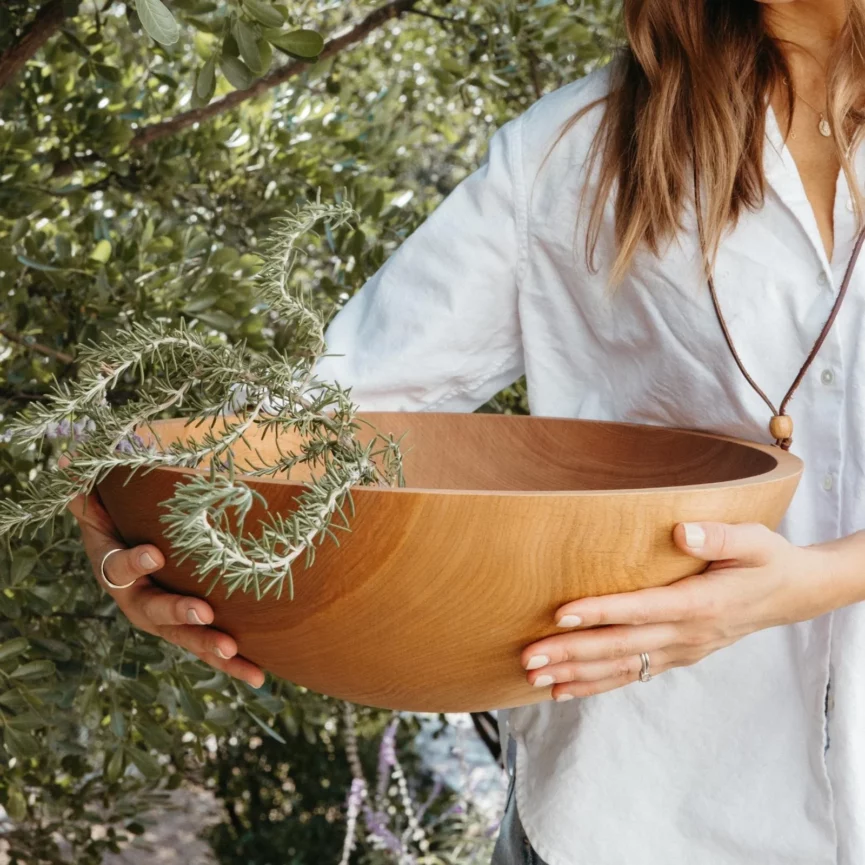
6. Convey the seasons in. Clip branches from the yard, pluck wildflowers from the roadside, collect beach-walk pebbles, and let the room change with the yr. “Invite wabi-sabi in by way of the best of the way,” Adams says, “like clipping some branches out of your yard and placing in a vase.”
Do this: Change the store-bought bouquet with no matter is rising outdoors.
7. Let your rooms evolve. A wabi-sabi dwelling is rarely completed. Adams places it this fashion: “all issues are impermanent, imperfect, and incomplete,” and the purpose is “residing wholly in every fleeting second, whereas additionally being conscious of the entire arc of time, the place nothing stays fixed perpetually.” Add slowly, transfer issues, and let a room develop into itself.
Do this: Rearrange one nook utilizing solely what’s already in the home.
Adams describes the consequence as areas “lively and heat, versus having a type of excellent showroom sterility to them.” Even sparsely embellished rooms, she says, can have “textured roughness (like plastered partitions, live-edge wooden, uncooked stone, nubby wool).” These are rooms designed “for intimacy versus impressing others.”

Wabi-sabi in on a regular basis rituals and hospitality
The philosophy started at a tea desk, so it’s no shock that it lives most naturally in small day by day rituals: a morning cup, a desk set for associates, a meal that’s in regards to the folks and never the presentation.
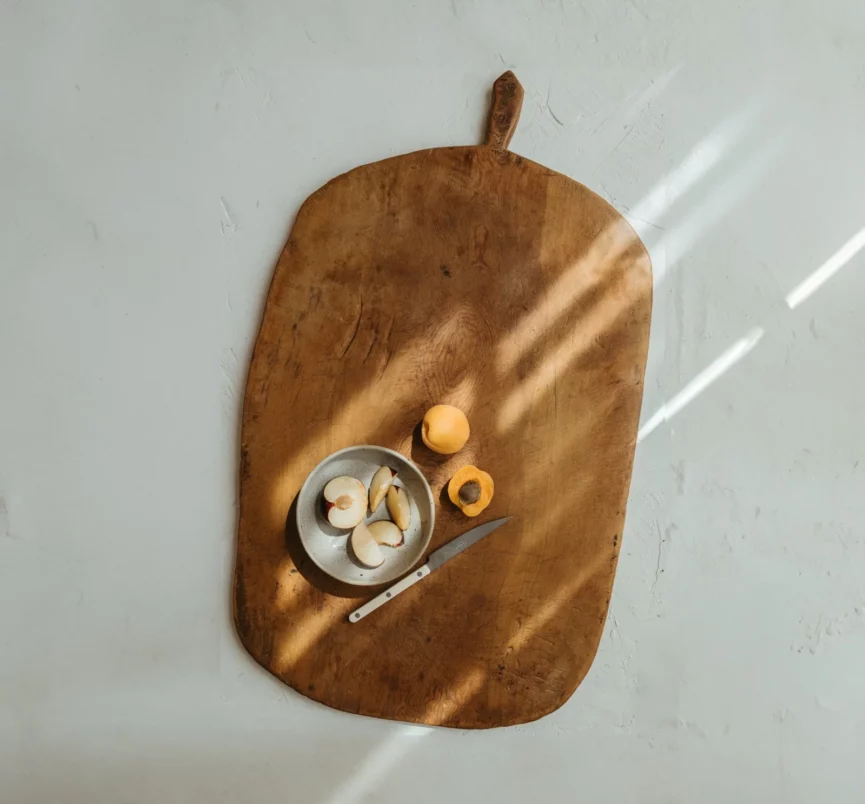
Adams’ ebook makes the connection to internet hosting. “I needed to point out how the philosophy could be adopted into anybody’s life expertise by way of the easy rituals and routines of on a regular basis life,” she says. Which means setting out the nice bowl for a weeknight dinner, serving from a board that has seen a number of hundred meals, and letting a visitor see the kitchen slightly lived-in.
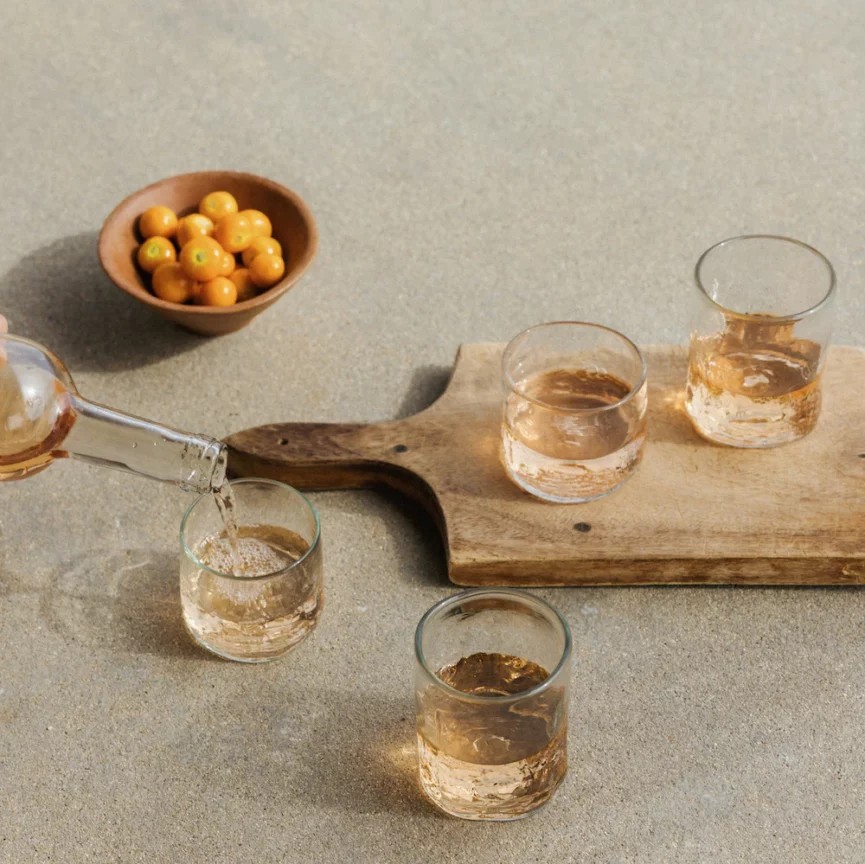
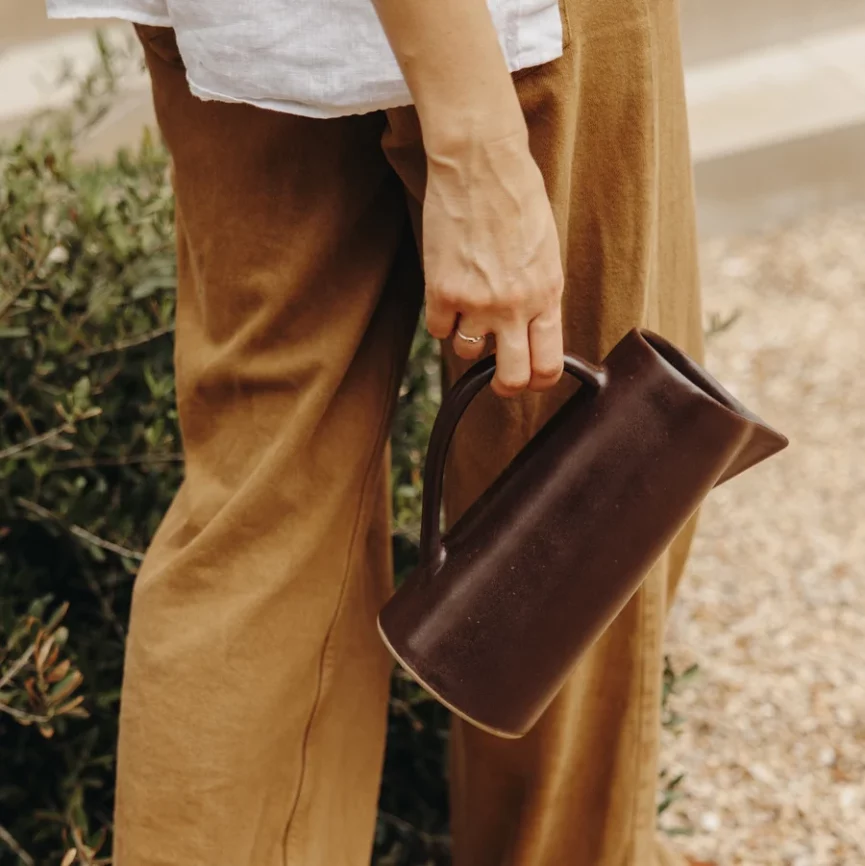
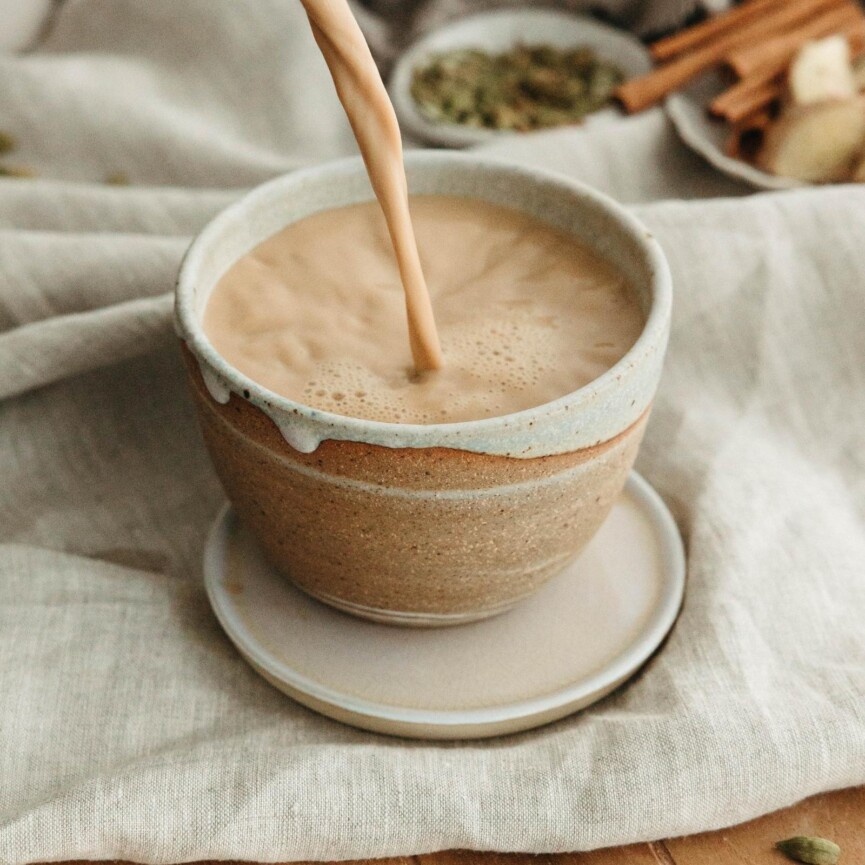
A number of items from Casa Zuma had been made with that spirit in thoughts. The hand-thrown Solstice Mug, made with LA Clay has a glaze that varies from mug to mug, which is what makes it really feel like yours. The terracotta wine cooler is hand made from native clay outdoors San Miguel de Allende, and its porous clay retains a bottle cool and doubles as a vase for branches. And the recycled glass, handblown in Guatemala, comes out completely different every time.
For a plan that makes internet hosting much less about perfection, see our Thanksgiving internet hosting plan and banquet desk setting concepts.ell (versus low cost and/or stylish) and could be repaired or re-used for years to return.
Wabi-sabi FAQs
- What does wabi-sabi imply? Wabi-sabi is a Japanese approach of seeing that finds magnificence in what’s imperfect, impermanent, and incomplete. Wabi refers to easy, humble magnificence, and sabi to the great thing about age and put on.
- How do you pronounce wabi-sabi? Wah-bee sah-bee.
- What’s the distinction between wabi and sabi? They started as separate phrases. Wabi factors to simplicity and a quiet sufficiency, and sabi to the great thing about issues which can be aged, weathered, and worn.
- The place does wabi-sabi come from? It grew out of Zen Buddhism and the Japanese tea ceremony, taking form over a number of centuries and growing within the fifteenth and Sixteenth centuries by way of tea masters similar to Murata Juk? and Sen no Riky?.
- What’s a wabi-sabi dwelling? A peaceful, heat, lived-in dwelling constructed round pure supplies, handmade objects, and fewer significant issues, designed for consolation and intimacy and to not impress.
- Is wabi-sabi the identical as minimalism? No. Minimalism is about lowering, and wabi-sabi is about consideration and acceptance. A wabi-sabi room could be sparse or stuffed with beloved objects, so long as it’s sincere and unfussy.
- What’s the distinction between wabi-sabi and kintsugi? Kintsugi is a particular craft: repairing damaged pottery with gold-dusted lacquer. It’s carefully related to wabi-sabi as a result of it highlights the restore as a substitute of hiding it, however the two aren’t the identical factor.
- Can you purchase new issues in a wabi-sabi dwelling? Sure, thoughtfully. Adams suggests selecting timeless items comprised of pure supplies that can age effectively and could be repaired, and shopping for fewer of them.
This put up was final up to date on November 2, 2026, to incorporate new insights, a clearer definition, and sensible steerage for the house.