Photo voltaic Farms In The Sahara Would possibly Have An Surprising Impact On The International Local weather
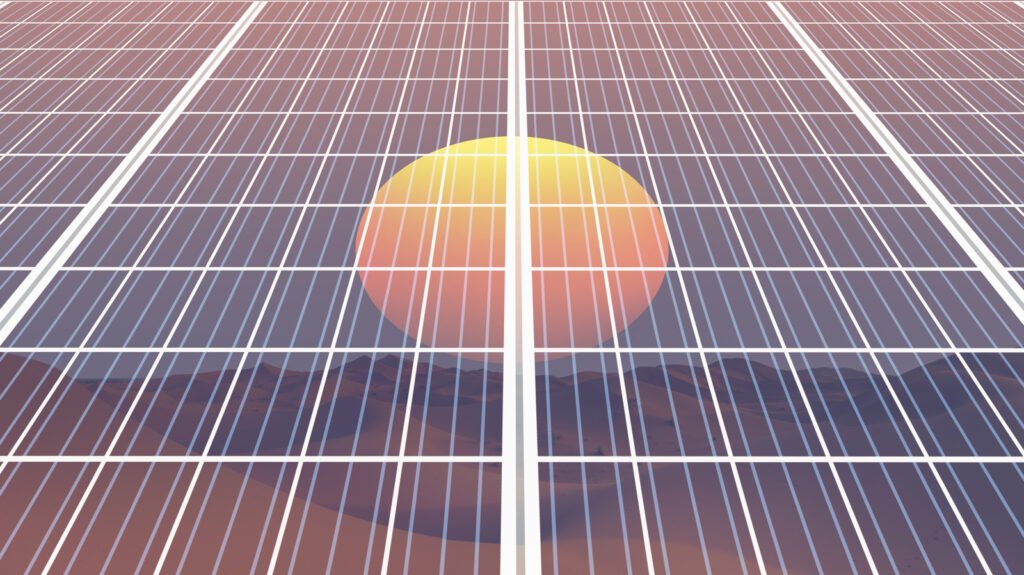
When picturing the Sahara Desert, in addition to the infinite sand, you may additionally think about blue skies and a blazing solar. Whereas it’d appear to be the proper place for an unlimited photo voltaic farm, local weather scientists discovered that constructing such amenities on an enormous scale there may have important penalties not just for the Sahara, but additionally for the local weather hundreds of miles away.
A 2020 examine investigated what would possibly occur if big photo voltaic farms, like these in Tibet, have been constructed throughout the Sahara. Photo voltaic panels are darker than the Sahara’s pale sand, so panels would take in extra daylight and have an effect on how warmth is exchanged between the land and the environment. Within the researchers’ mannequin, the warming floor may alter air circulation, resulting in extra rainfall. Elevated vegetation, as has additionally been noticed round photo voltaic farms in China, may then reinforce the warming and wetter circumstances. Whereas that may sound like a welcome state of affairs for part of the world recognized for its dry local weather, the consequences may prolong far past the desert, with the mannequin suggesting that adjustments in atmospheric circulation may make some areas all over the world wetter and others drier.
The truth is, the mannequin’s simulations urged doable droughts and forest degradation as far-off because the Amazon, together with rising international floor temperatures and Arctic warming that would contribute to additional losses of sea ice. It must be famous, nevertheless, that these are modeled outcomes, and never certainties, and that the examine examined hypothetical, extraordinarily massive photo voltaic installations (20% protection of the Sahara). Whereas solar energy is a vital device for decreasing greenhouse fuel emissions, the analysis highlights the likelihood that altering an infinite space of land to generate clear vitality may create sudden pressures on Earth’s local weather.
May a inexperienced Sahara change faraway climates?
A inexperienced and plush Sahara might sound far-fetched, however through the African Humid Interval round 6,000 years in the past, a lot of the area was in reality a lot wetter and supported way more vegetation than it does right now, a metamorphosis linked to adjustments in rainfall patterns and ecosystems. The researchers within the 2020 examine on Sahara photo voltaic farms counsel that equally large-scale adjustments to the area’s floor may have important results on the broader local weather
Within the researchers’ simulations, the Intertropical Convergence Zone, a band of rising air close to the equator that influences tropical rainfall, strikes northward. This might carry rain to some areas whereas leaving others drier, contributing to the danger of drought and forest degradation within the Amazon. The mannequin additionally tasks a northward growth of deciduous forests within the Northern Hemisphere, weaker fluctuations within the Pacific and Atlantic local weather patterns referred to as El Niño Southern Oscillation and Atlantic Niño, and elevated tropical cyclone exercise. The adjustments replicate the complicated interactions between the environment, oceans, sea ice, and ecosystems.
In relation to the thought of constructing big photo voltaic panel amenities within the Sahara, the researchers level out the necessity for cautious website choice and extra environment friendly panels to restrict the doable adversarial results. Their simulations counsel that the dimensions of the deployment impacts the extent of the affect on distant climates. The findings underline the significance of assessing the broader environmental penalties of fresh vitality tasks. For the hypothetical Sahara photo voltaic venture and others prefer it, in depth analysis is required to find out if, and to what extent, the local weather may very well be affected.