
Microsoft’s DirectX replace might slash ray tracing reminiscence by as much as 90 p.c

What we all know to this point: Loads of ray-traced video games nonetheless bounce mild off cheaper, low-detail copies of their surroundings fairly than the fashions gamers really see on display. That is principally as a result of rebuilding the GPU’s ray tracing knowledge for each swaying tree and transferring character every body merely takes too lengthy. A brand new DirectX characteristic presently in preview goals to repair that. It might additionally unencumber an enormous chunk of the video reminiscence ray tracing presently eats.
Microsoft detailed Clustered Geometry and a companion characteristic known as Partitioned TLAS on its DirectX developer weblog this week, describing the pair because the greatest change to DirectX Raytracing for the reason that API arrived in 2018.
Proper now, any time a mesh deforms or streams in at a brand new degree of element, the GPU has to rebuild that object’s acceleration construction from scratch. Clustered Geometry as a substitute splits fashions into small chunks of as much as 256 triangles that get constructed as soon as and reused. So when an object adjustments, builders can reassemble current clusters or rebuild only a handful of them.
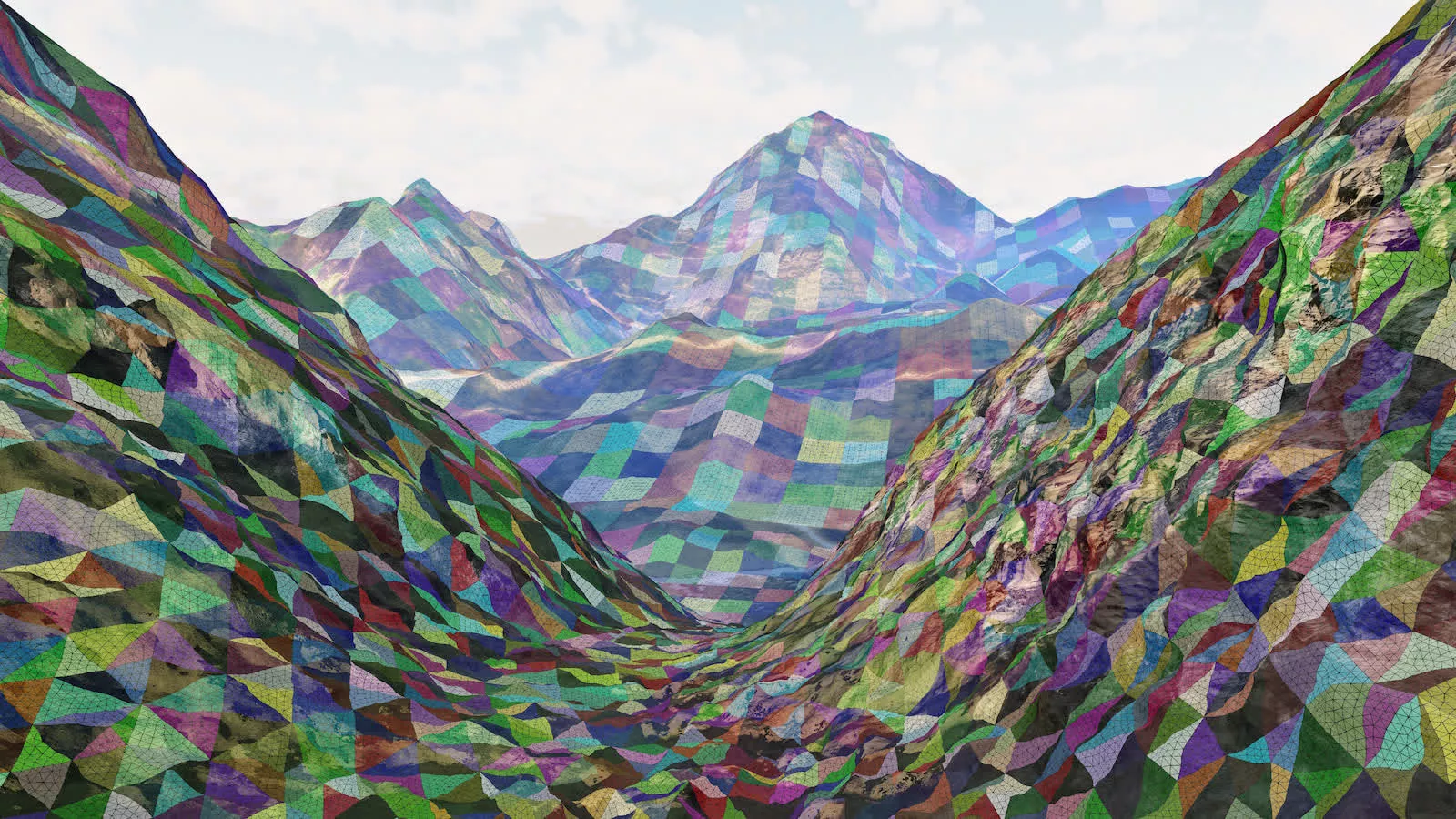
Partitioned TLAS applies comparable considering to the entire scene. It breaks the world into areas in order that solely the elements the place one thing really moved get up to date every body.
Microsoft’s personal take a look at pattern makes the positive factors look monumental. On a Radeon RX 9070, switching from standard rebuilds to clustered geometry lifted the body charge from 1.2 fps to 79 fps. Per-frame construct time dropped from 788ms to only over 3ms, and reminiscence for these constructions shrank from roughly 7.5GB to 774MB, about 90% much less. That is ray tracing knowledge alone, although, not a recreation’s total VRAM footprint.
Nonetheless, Microsoft warned in all caps that video games should not count on wins wherever close to that measurement. Clustered builds additionally want way more momentary scratch reminiscence, so builders should plan round that.
Nvidia has really been transport the identical concept since final yr as RTX Mega Geometry. In Alan Wake 2, it improved each body charges and picture high quality. Earlier this month, Gears of Struggle: E-Day used it to ray hint Unreal Engine 5’s full-detail Nanite geometry as a substitute of the static, low-poly proxies the engine usually falls again on.
The distinction now could be that it is a part of DirectX, so builders get one path that works throughout distributors. No new {hardware} is required, both: Nvidia helps it on each RTX card, and Intel covers its Arc B-series GPUs and up to date Core Extremely chips. On AMD’s aspect, although, solely the Radeon RX 9000 sequence made the listing to this point.
For gamers, the wait might be a little bit longer. The whole lot continues to be in preview and wishes Home windows Developer Mode to modify on, so video games constructed round it are a way off. And going by Gears, even Nvidia’s model asks for a GeForce card with no less than 12GB of VRAM earlier than it may be enabled.