
Laundry Errors That Destroy Your Garments: 8 Fixes
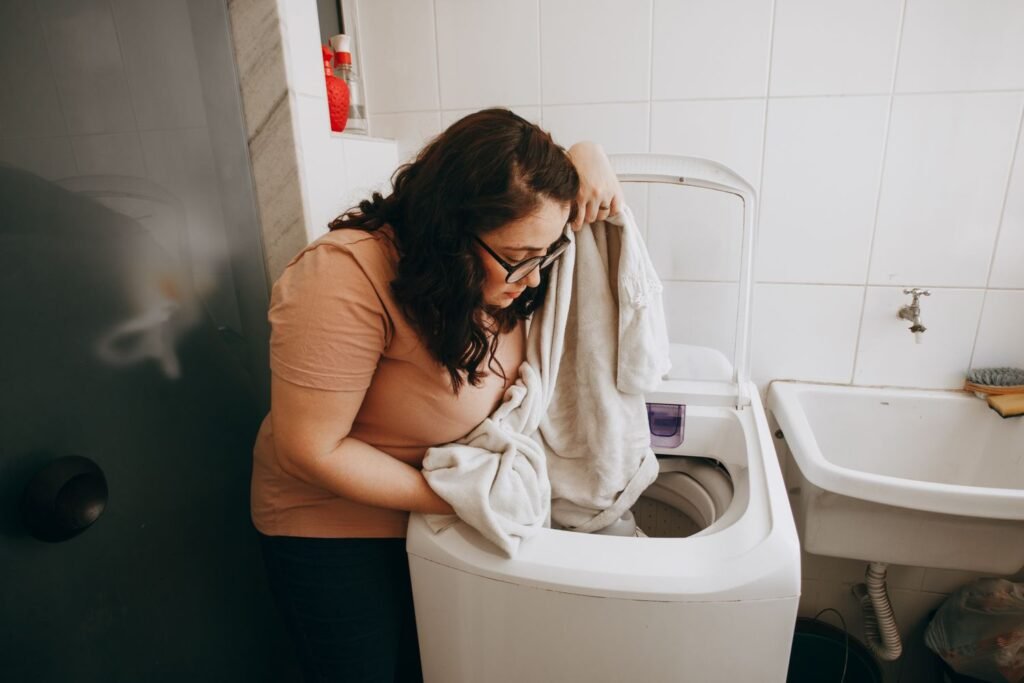
A towel comes out scratchy. A shirt nonetheless smells after washing. A stain survives the wash after which goes into the dryer. Earlier than you add extra detergent or run one other cycle, examine the routine. These eight laundry errors that smash your garments, or at the very least go away them dingy, stiff or stained, are small and simple to repeat. Here’s what to vary.
The brief reply: measure detergent for the load, load the washer loosely, examine stains earlier than tumble drying, learn the care label and select the water temperature for the material and stain. Chilly works nicely for a lot of on a regular basis hundreds, however not each state of affairs. Unload moist laundry promptly and hold the dryer’s lint filter and venting clear. By no means combine chlorine bleach with vinegar, ammonia or different family cleaners, and comply with product instructions for laundry use.
Eight laundry errors that smash your garments
1Utilizing an excessive amount of detergent
Tide Cleaners says an excessive amount of detergent can go away residue on cloth and within the washer, which may contribute to stiffness, dull-looking colours, dingy whites and a musty washer odor. It provides that high-efficiency machines use much less water and want much less detergent, that comfortable water wants much less and that tough water might have a bit of extra. Stiff, scratchy towels are a standard signal, and our information on why towels odor after washing covers the repair.
Do that as a substitute: use the quantity really useful on your machine, load measurement and water situations, and comply with the measuring line on the bottle.
2Overloading the washer
Producer Bosch explains that an overloaded drum makes laundry transfer as one mass, so water can’t flow into and detergent isn’t totally rinsed out. Packed garments don’t rinse correctly, which may go away residue behind. Capability varies by machine, so examine your guide.
Do that as a substitute: go away room for garments to tumble and break up a giant pile into two hundreds. That rule of thumb is our personal recommendation.
3Placing a stained garment within the dryer
Iowa State College Extension’s AnswerLine laundry stain suggestions say that if a stain continues to be evident after washing, you shouldn’t dry the garment, as a result of the warmth of drying makes the stain extra everlasting. The identical web page says recent stains are simpler to take away than ones greater than 24 hours outdated, that you need to blot somewhat than rub and that you just shouldn’t iron stained cloth. Take a look at any stain remover on a hidden seam first. For a particular stain, attempt our information to sweat stains.
Do that as a substitute: examine the garment in good gentle after washing, and air-dry it till the stain is gone.
4Ignoring the care label
Beneath the Federal Commerce Fee’s Care Labeling Rule, most clothes it covers should carry care directions that keep hooked up and legible for the garment’s helpful life, and the label should embody a warning, similar to “wash individually” or “don’t bleach,” when a standard wash may hurt the merchandise or different garments. The rule has exclusions and exemptions, so not each merchandise can have one. The Cleansing Institute’s cloth care image information explains the symbols: extra dots imply extra warmth, bars beneath the wash image point out permanent-press or light and delicate settings, and a crossed-out image means the remedy is just not allowed.
Do that as a substitute: examine the label earlier than you wash something new, particularly wool, silk, delicates and darkish gadgets which may bleed.
5Selecting the flawed water temperature
“At all times wash in chilly” is just not a rule, and neither is “at all times sizzling.” A 2016 technical transient from the Sustainability Consortium’s Chilly Water Wash Initiative, hosted by the American Cleansing Institute, says trendy detergents work nicely at decrease temperatures and that chilly washing is linked to raised coloration retention and fewer shrinkage. It additionally says hotter water helps detergents clear robust stains and closely dirty gadgets, and that laundry uncovered to sickness or bodily fluids requires greater temperatures. Iowa State’s information provides a warning: keep away from sizzling water on stains of unknown origin, and on protein stains similar to blood, milk and egg, since warmth can set them.
Do that as a substitute: match the temperature to the material, the stain and the detergent instructions. Use hotter water for closely dirty gadgets solely when the care label permits it.
6Leaving moist garments sitting
The CDC says mould grows the place there’s moisture and notes that it may possibly develop on cloth. A load left within the washer gained’t routinely develop mould, however damp laundry that sits too lengthy can develop musty odors and, below appropriate situations, mould development. The CDC doesn’t give a secure variety of hours, so we’d merely keep away from leaving a load to take a seat. If the odor lingers, our information on washer mould covers what to examine.
Do that as a substitute: transfer moist laundry promptly to the dryer or a drying rack, and dry gymnasium garments and towels totally earlier than they go within the hamper.
7Skipping the lint filter and dryer vent
The U.S. Fireplace Administration’s garments dryer fireplace security steerage says to scrub the lint filter earlier than and after each cycle, clear lint from the again of the dryer, examine that the vent isn’t broken, crushed or blocked and ensure the out of doors vent cowl opens when the dryer runs. It warns that the danger is greater when the filter and vents aren’t cleaned. A blocked vent can limit airflow and make garments take longer to dry.
Do that as a substitute: if a standard cycle repeatedly leaves laundry damp, examine the lint filter and vent earlier than operating one other cycle. That examine is our sensible suggestion, not a analysis.
8Mixing chlorine bleach with different cleaners
This can be a chemical-safety mistake, not only a cloth one. The CDC’s bleach security steerage says by no means to combine bleach with ammonia or another cleaner, and to ventilate the realm. Our information on what by no means to scrub with vinegar explains why vinegar and chlorine bleach ought to by no means meet. For laundry, comply with the bleach label and your washer guide: merchandise labeled to be used with laundry detergent can be utilized as directed, however by no means premix concentrated merchandise. If a garment says “solely non-chlorine bleach,” select an acceptable non-chlorine product and comply with its directions.
See additionally

Do that as a substitute: hold chlorine bleach separate from each different cleansing product.
Fast repair listing:
- Measure detergent for the load.
- Fill the drum loosely.
- Verify stains after washing, earlier than drying.
- Learn the care label earlier than the primary wash.
- Match water temperature to the material and stain.
- Take moist laundry out promptly.
- Clear the lint filter each load and examine the vent.
- Comply with bleach instructions precisely. By no means mix chlorine bleach with vinegar, ammonia or different family cleaners.
Laundry questions, answered
How usually must you wash your garments?
Utah State College Extension suggests washing tights, leggings, train clothes, T-shirts, socks and underwear after each put on, denims, slacks and attire each three to 4 wears, bathtub towels each three to 4 makes use of, hand and dish towels each two days, and sheets, pillowcases and bathtub mats weekly. See the USU steerage for the complete listing. These are basic intervals, not a purpose to maintain sporting one thing that’s visibly soiled or sweaty.
Is it unhealthy to clean garments in sizzling water?
Not at all times. Sizzling water can set some stains, similar to protein stains, so examine the stain first. It will also be the fitting alternative for closely dirty gadgets when the care label permits it. Chilly is an effective default for a lot of on a regular basis hundreds.
Are you able to repair garments that already really feel stiff or odor musty?
Usually, sure. When you suspect detergent buildup, run the merchandise via one other rinse with no detergent and use much less subsequent time. If it smells musty, examine your drying situations, detergent buildup and the washer itself. Odor alone doesn’t verify mildew.
The underside line
Garments keep cleaner and last more while you decelerate at 4 factors: earlier than the wash (the label), throughout it (load measurement, detergent and temperature), between washing and drying (stains) and after it (moist laundry and the dryer vent). Preserve chlorine bleach away from different cleaners.

Higher Residing might earn commissions via affiliate hyperlinks and should often characteristic sponsored or accomplice content material. When you make a purchase order via our hyperlinks, we might obtain a small fee for free of charge to you.